



Rest vs. Recovery for Athletes: Know the Difference

After a brutal block of training or a demanding race day, most athletes think the job is done once they unclip their pedals or cross the line. You collapse on the couch, put your feet up, and call it a day. But while taking it easy feels great, sitting still isn't the whole story.
There is a major difference between rest and recovery—and understanding how to use both is what separates athletes who adapt and grow stronger from those who burn out, get injured, or bonk on Day 2 of a stage race.
Whether you are preparing for high-intensity single-day events like the Cape Town Cycle Tour, navigating the consecutive endurance stages of Wines2Whales or Joburg2C (Jhb to Sea), or tackling remote, multi-day dirt epics like the Gravel Burn, mastering rest and recovery is your ultimate competitive advantage.
Rest vs. Recovery: What’s the Difference?
While the terms are often used interchangeably, they serve very different physiological functions:
-
Rest (Passive Inaction): Rest is the absence of physical exertion. It is passive downtime—getting 8 hours of quality sleep, taking a scheduled rest day off the bike, or relaxing with family. Rest allows your central nervous system to reset, reduces systemic inflammation, and restores mental energy.
-
Recovery (Active Physiological Restoration): Recovery is an active process. It encompasses the deliberate actions you take to repair damaged muscle tissue, replenish depleted glycogen stores, restore fluid and electrolyte balance, and flush metabolic waste.
In short: Rest is what you don't do. Recovery is what you do to help your body adapt and bounce back faster.
Why Athletes Need Both to Perform
When you push hard up Suikerbossie during the Cape Town Cycle Tour or grind through 100+ kilometres of Karoo gravel on the Gravel Burn, you aren't actually building fitness in that moment—you are breaking your body down. Exercise creates micro-tears in muscle fibres, drains glycogen stores, and stresses your cardiovascular and nervous systems.
Fitness gains only happen after the effort, when your body repairs that damage to come back stronger.
-
If you only rest (sleep and sit still) without proper recovery (nutrition, hydration, and mobility), your muscle repair is slow and incomplete.
-
If you focus heavily on active recovery but skimp on rest (poor sleep, high stress), your nervous system stays over-taxed, leading to chronic fatigue.
The 4 Pillars of Active Recovery
1. Immediate Nutritional Recovery (The 30-Minute Window)
During hard efforts, your muscles deplete their stored glycogen and undergo structural breakdown. The first 30 minutes after finishing a ride or run is the optimal physiological window for nutrient uptake.
-
Glycogen Replenishment: Consume fast-absorbing carbohydrates to rebuild depleted energy stores.
-
Protein Synthesis: Ingest high-quality protein to trigger muscle repair and stop muscle tissue breakdown.
-
The 4:1 Golden Ratio: Research shows that a 4:1 carbohydrate-to-protein ratio speeds up glycogen storage and muscle repair significantly faster than protein alone.
-
The Skratch Solution: Within 30 minutes of crossing the finish line, mix 1 serving of Skratch Labs Sport Recovery Drink Mix (Chocolate) with cold water or a milk alternative. It delivers the exact 4:1 carb-to-protein ratio, complete milk proteins, and essential electrolytes to jumpstart recovery before you even hit the shower.
2. Rehydration & Electrolyte Balance
Replacing fluid losses doesn't end when you stop sweating. Drinking plain water post-race can dilute blood sodium, triggering your kidneys to flush out fluid rather than absorbing it into your cells.
-
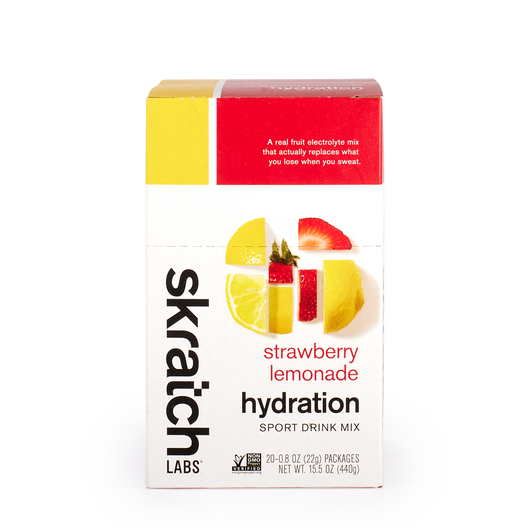
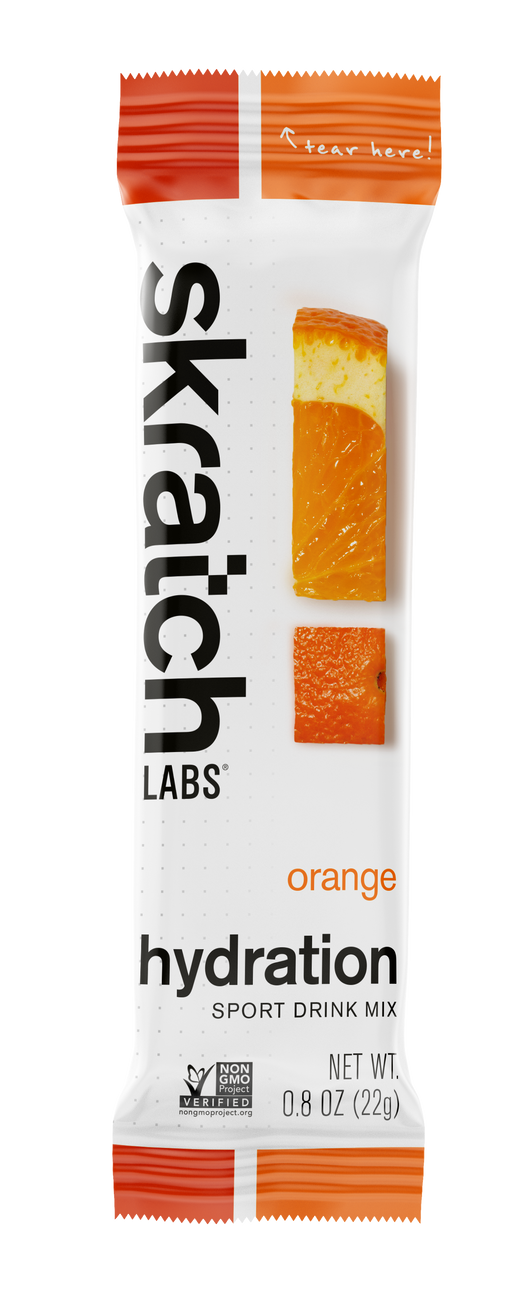
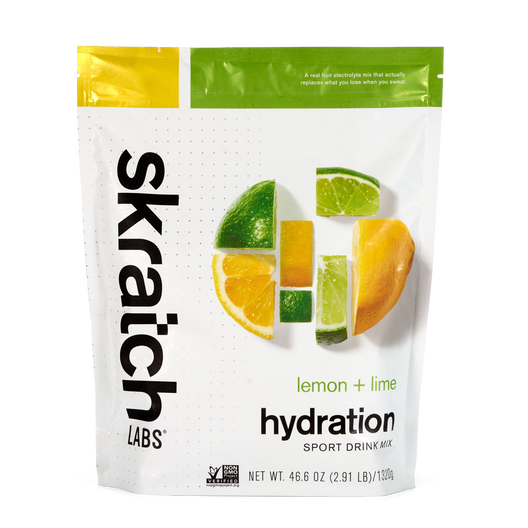
Rehydrate with Hydration Sport Drink Mix post-effort to replace lost sodium and drive fluid directly into cellular tissue, ensuring your blood volume returns to baseline.
3. Active Movement & Tissue Flushing
Passive resting is essential, but total immobility can leave muscles feeling stiff and sore due to fluid retention and lack of blood flow.
-
Active Recovery Spins: A 20 to 30-minute very light, low-resistance spin on the trainer or flat road increases blood flow, delivering nutrients to damaged tissue and clearing metabolic byproducts.
-
Light Mobility & Soft Tissue Work: Gentle stretching, foam rolling, or light massage helps maintain tissue elasticity—especially vital during multi-day events.
4. Rest: Sleep & Mental Downtime
No supplement or recovery tool can replace deep sleep. During slow-wave sleep, your body releases Human Growth Hormone (HGH), which drives tissue repair and cellular regeneration.
-
Target 7 to 9 hours of quality sleep, particularly during heavy training blocks or stage races.
How to Apply Rest & Recovery to SA Race Calendars
Single-Day Mass Events (e.g., Cape Town Cycle Tour)
-
Pre-Race: Prioritise passive rest and light tapering in the 48 hours leading up to the race.
-
Post-Race: Don't just sit in the beer garden for hours without fuelling first. Drink a serving of Sport Recovery Drink Mix within 30 minutes of finishing, then enjoy your post-race celebrations knowing your muscle repair has already begun.
Multi-Day Stage Races (e.g., Wines2Whales, Joburg2C)
-
Between Stages: Stage racing is a game of cumulative fatigue. What you do in the 3 hours after Stage 1 directly dictates your power output on Stage 2.
-
The Routine: Slam a Sport Recovery Drink Mix at the finish line -> shower and rehydrate -> perform a light 10-minute leg drain or foam roll -> get off your feet for passive rest before dinner.
Ultra Gravel & Multi-Day Epics (e.g., Gravel Burn)
-
Overcoming Stress: Multi-day ultra grinds create massive systemic inflammation and nervous system fatigue.
-
The Routine: Combine high-calorie active recovery nutrition (re-fuelling with both Sport Recovery Drink Mix and real-food meals) with absolute mental downtime in the evenings to drop your body back into a parasympathetic (rest-and-digest) state.
Summary Checklist for Peak Recovery
-
✅ Fuel immediately: Take in a 4:1 carb-to-protein recovery drink like Skratch Sport Recovery Drink Mix within 30 minutes of finishing.
-
✅ Rehydrate smart: Sip electrolyte-rich hydration mix post-effort to fully restore fluid balance.
-
✅ Keep moving gently: Use light spins or walks to keep blood circulating.
-
✅ Protect your sleep: Aim for 7–9 hours of sleep to let your hormones drive structural repair.